Analyzing Taylor Swift's Latest Album and the Need for Creative Evolution
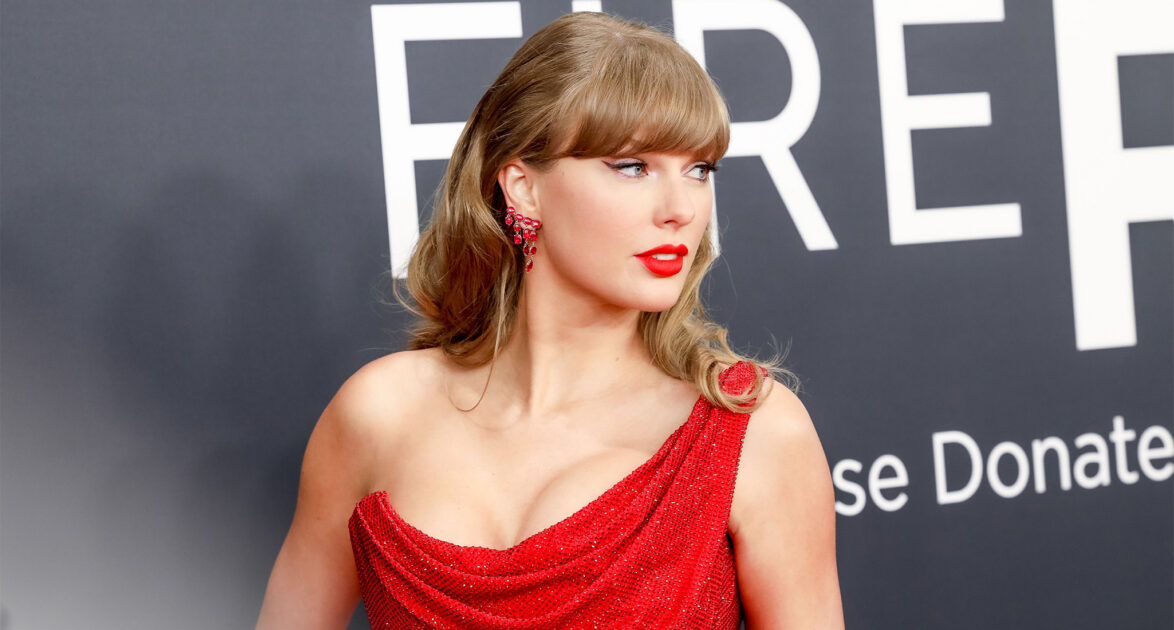
When Taylor Swift released *The Life of a Showgirl* last year, many held high hopes that it would signal a significant turnaround from the manuscript that was *The Tortured Poets Department*. While the album did not achieve every expectation, there were moments suggesting a return toward the familiar and tighter writing style associated with tracks like "Opalite," "The Fate of Ophelia," and "The Life of a Showgirl" itself. Given the monumental year Swift has experienced professionally, some critics felt that a creative reset—perhaps returning to her usual two-year cycle—would have been preferable, allowing for something fresh and distinctly different. Consequently, when *The Life of a Showgirl: The Encore* dropped today, there was an anticipation mixed with cautious skepticism.
As someone who both critiques art and creates it, the belief is that great creative output must consistently evolve. This expectation applies not only to literature or cinema but also to public-facing artists. While respect is due for the immense effort poured into every project, the core argument suggests that if an artist fails to evolve, their body of work risks becoming indistinguishable from its previous efforts. This idea was recently highlighted by a friend who observed that a Booker Prize finalist novel, while great, was simply not at all different from the author's previously brilliant works—a sentiment captured as "Lovely but forgettable."
This observation is applied to Swift’s career trajectory. She remains an undeniably great writer and a massive commercial success. However, critics argue that this lack of visible evolution, which has been noted since *Midnights* in 2022, risks having her brilliance lost within the sheer volume of her other brilliant work. The concept of adding an addendum like *The Encore* is fittingly circular; an encore is inherently an additional performance that harkens back to what was just played—a cycle that can feel repetitive.
In the context of *Showgirl*, this pattern is noted in its structure: it plays the victim with songs like "Cleveland!," offers a very late apology through tracks such as "Pink Clouding," and, predictably, every song features a great bridge. Yet, the critique remains that the overall feel is static. To illustrate the potential for evolution, critics point to her earlier work on *folklore* and *evermore*. While fan opinions regarding these albums are often divided, the mere fact that Swift successfully navigated them proves she knows how to evolve, how to dare, and how to execute different styles extraordinarily well.
The current public conversation surrounding her music centers heavily on this theme of creative momentum. Fans and critics alike are keenly watching for signs that she will shift gears, pointing to potential future ventures, such as her foray back into country music for *Toy Story 5*, as a promising indication of an imminent evolution. The expectation is that the next phase of her career must break from established patterns.
Ultimately, while *The Life of a Showgirl: The Encore* functions perfectly within its own framework—a masterful curtain call to what has been—the critical consensus suggests it might be time for Swift to put away the feather boas and dim the spotlight. For sustained artistic relevance, the next chapter must demonstrate a clear willingness to change, ensuring that her immense talent continues to surprise and challenge rather than merely repeat.